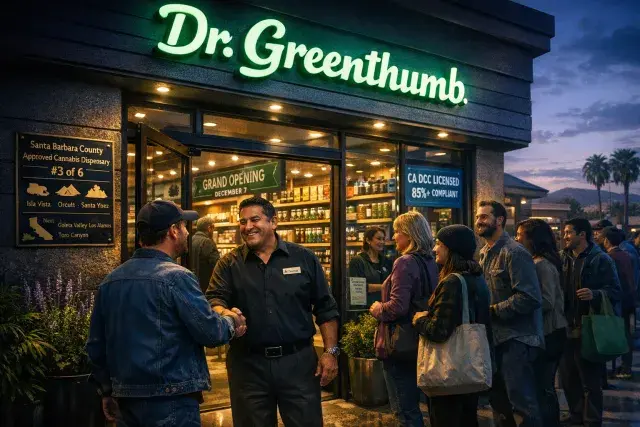

Recreational cannabis companies have joined forces with nonprofits such as Forgotten Harvest and Bottomless Toy Chest to deliver food and toys to struggling families during the holidays. This collaboration channels industry profits into direct community support, addressing immediate needs amid rising costs. The effort highlights a shift in how legalized cannabis firms contribute to local welfare.
Roots in a Rapidly Evolving Industry
The recreational cannabis sector emerged from decades of prohibition, gaining legal footing in states like Michigan since 2018. Businesses now operate in a regulated market that generates substantial revenue through taxes and sales. Forgotten Harvest, a food rescue organization, collects surplus groceries to distribute millions of meals annually, while Bottomless Toy Chest focuses on providing free toys to children in need. Partnerships like these allow cannabis firms to redirect resources from thriving dispensaries toward hunger relief and holiday joy, fostering goodwill in communities where they operate.
Addressing Holiday Hardships
Holidays amplify financial pressures for low-income households, with food insecurity peaking as families stretch budgets for gifts and gatherings. Cannabis businesses step in by sponsoring drives or matching donations, ensuring pantries stock fresh produce and toy drives fill shelves with age-appropriate playthings. These initiatives cut waste—Forgotten Harvest diverts food from landfills—and bring smiles to children who might otherwise go without. The model proves simple yet effective: industry success funds nonprofit logistics for maximum impact.
Broader Implications for Corporate Giving
Such alliances signal cannabis companies' maturation beyond stigma, embracing corporate social responsibility akin to alcohol or tobacco firms' philanthropy. They build public trust in an industry still navigating policy debates and health discussions around use. Risks remain, including scrutiny over promoting a controlled substance, yet tangible aid strengthens community ties. Looking ahead, these holiday efforts could expand year-round, setting a template for profitable sectors to sustain vulnerable populations amid economic uncertainty.