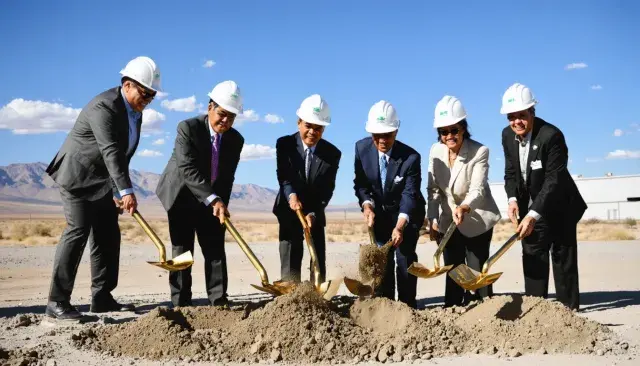
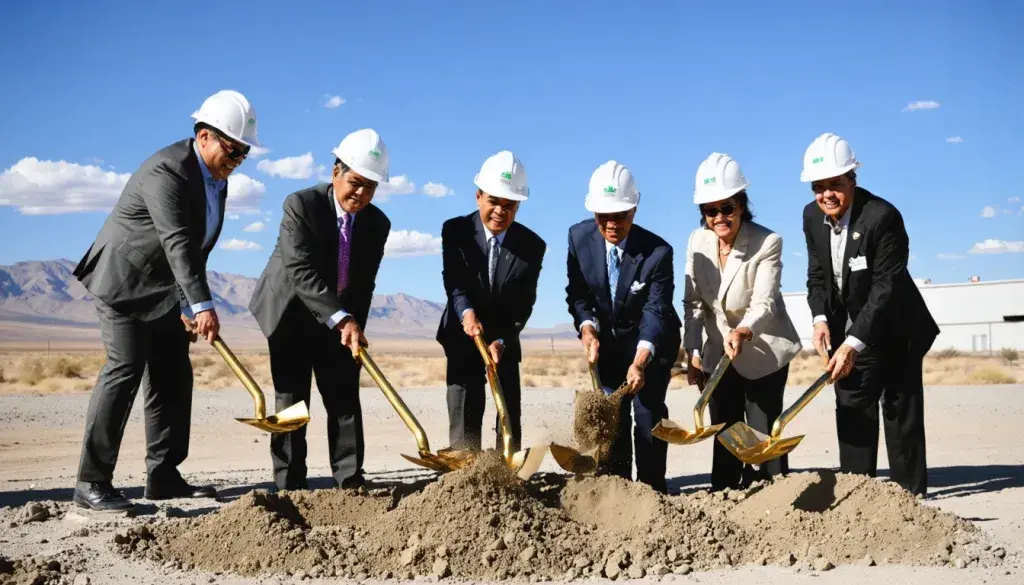
On Friday, the Fallon Paiute Shoshone Tribe marked a pivotal moment by breaking ground on a new marijuana dispensary west of Fallon, Nevada, at the southwest corner of Bottom Road and the Reno Highway. This tribally led project promises economic revitalization through jobs, taxes, and revenue, signaling tribes' growing embrace of the legal cannabis market amid Nevada's booming industry.
Project Details and Timeline
The dispensary, named Desert Embers, will launch as a temporary modular building at the rear of the property, paving the way for a permanent structure. Cody Downs, president of the Fallon Tribal Development Corporation board, anticipates completion within two months, accelerating tribal economic initiatives.
- Temporary prefab facility for quick startup
- Permanent building planned for future expansion
- Groundbreaking attended by tribal council and Fallon Mayor Ken Tedford
Economic Drivers and Evolving Perspectives
Initially hesitant, the tribe shifted gears after observing nearby towns thrive without crime spikes or social issues. Nevada's state-regulated medical marijuana sector, generating over $1 billion in annual sales statewide, offers a compliant model. For the Fallon Paiute Shoshone Tribe, this means direct revenue for essential services and jobs prioritizing tribal members, mirroring how other federally recognized tribes leverage sovereignty for cannabis ventures.
- Boosts local taxes and tribal revenue
- Creates employment opportunities on tribal land
- Aligns with Nevada's oversight for safety and compliance
Implications for Tribal Sovereignty and Industry Trends
As sovereign nations, Nevada tribes negotiate state compacts to enter the cannabis space, bypassing federal prohibitions while honoring cultural roots. Desert Embers embodies this balance, fostering "tribally owned, tribally led" growth amid a national trend where Native communities capture 10-15% of regional markets through dispensaries. This move counters historical economic marginalization, potentially reducing poverty rates in tribal areas by channeling profits into health, education, and infrastructure—outcomes seen in successful tribal cannabis operations like those in Washington and New Mexico.
Looking ahead, the project underscores cannabis's role in indigenous empowerment, with risks minimized through rigorous state guidance, positioning the Fallon Paiute Shoshone Tribe as innovators in sustainable development.