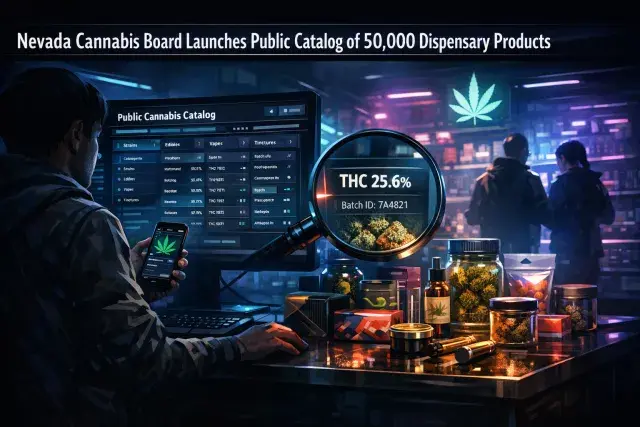
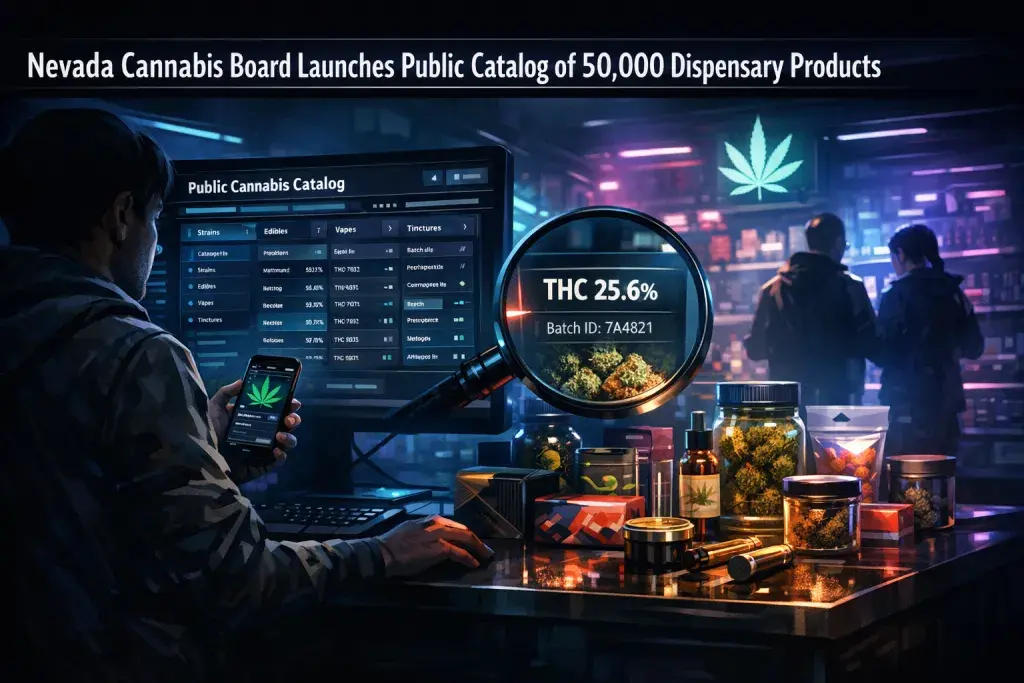
Nevada's Cannabis Compliance Board has unveiled a public Metrc item catalog, granting consumers direct access to details on nearly 50,000 products available at licensed dispensaries and consumption lounges. This move pulls back the curtain on inventory tracking—a system long reserved for regulators and operators. For buyers, it means scanning strains, edibles, and extracts with a few clicks, potentially reshaping how people shop in a market worth billions.
Metrc Unlocked: From Back-End Tool to Frontline Resource
Metrc, short for Marijuana Enforcement Tracking Reporting Compliance, anchors cannabis regulation across multiple states. It logs everything from seed to sale: cultivation batches, harvest weights, processing steps, testing results for potency and contaminants. Nevada operators have fed data into it since 2017, when the state legalized recreational sales; before that, medical marijuana ran on looser systems prone to gray-market leaks.
The public catalog strips away the industry's veil without exposing sensitive business intel. Search by product name, brand, or type—vape cartridges, tinctures, pre-rolls—and pull up license numbers, batch IDs, even lab-verified THC levels. No prices, though; those stay with the dispensaries. What's striking here: this isn't just transparency theater. It arms consumers against mislabeling, a persistent headache in fragmented markets where potency claims sometimes outpace reality.
Why Now? Compliance Meets Consumer Demand
Nevada's cannabis scene exploded post-2017, with tax revenue topping $50 million monthly by some counts—though exact figures ebb with market swings. Dispensaries multiplied; lounges, a newer wrinkle, let patrons consume on-site. Regulators faced pushback over opaque tracking: growers griped about audit burdens, buyers about inconsistent quality.
Opening the catalog sidesteps those tensions. It enforces accountability downstream—say, if a lounge pulls a tainted batch, the trail leads straight back. For consumers, the thing is, trust hinges on verifiable info. Black-market holdouts persist partly because legal products feel walled off; this cracks the door.
Downstream Effects on Market and Safety
Expect ripple effects. Dispensaries might standardize listings to shine in searches; smaller brands could gain visibility if their profiles pop. Consumption lounges, still rolling out under 2021 laws, get a boost—patrons can pre-vet menus, cutting impulse buys on dubious items.
Risks lurk, fair enough. Public data could invite poachers scraping for supply chain gaps, though Metrc's firewalls hold firm. Broader trend: states like Colorado and California toy with similar portals, signaling a shift from prohibition-era secrecy to regulated openness. In practice, though, Nevada leads—handing power to the end user in a cash-crop colossus.