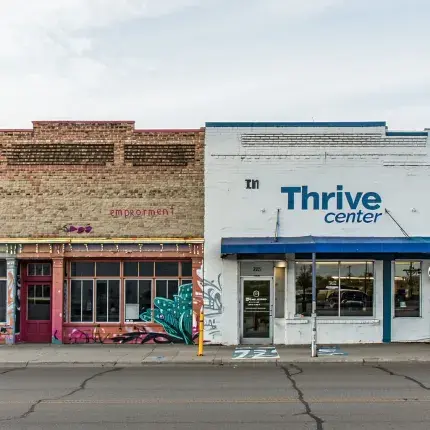
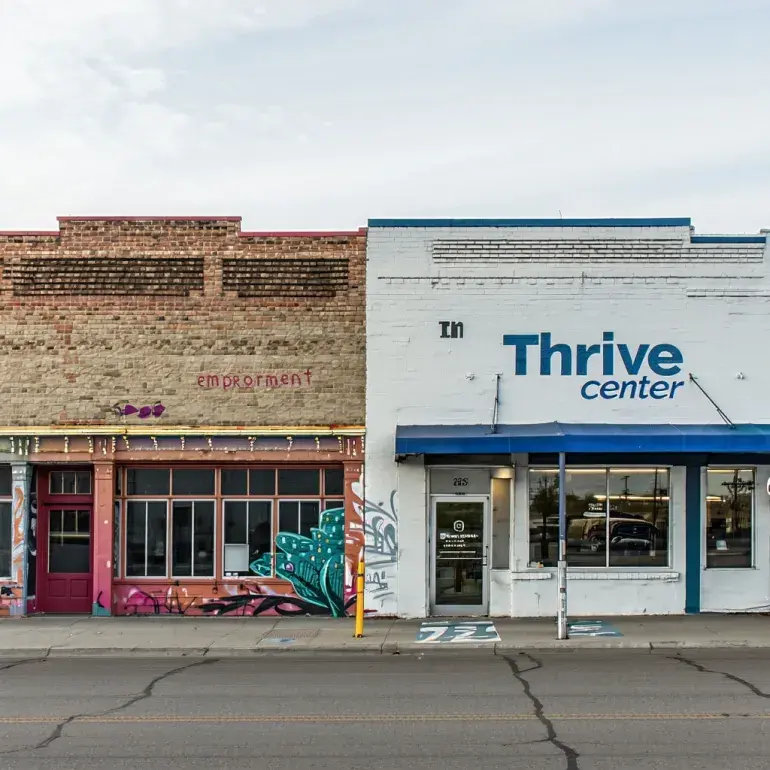
In Reno, Nevada, The Empowerment Center—the region's sole state-licensed halfway house—is urging the City Council to reject a proposed Thrive Cannabis Marketplace dispensary just 15 feet away, with a vote set for September 11. This clash highlights the tension between cannabis expansion and substance abuse recovery, raising critical questions about protecting vulnerable residents from relapse triggers.
The Core Conflict and Key Arguments
The Empowerment Center, housed in a former Butcher Boy meat store at 7300 S. Virginia Street, serves 24 residents in early recovery. Center leaders argue that the dispensary's proximity, including pervasive marijuana odors, poses an intolerable temptation. "For most clients, a dispensary will be a major trigger," they wrote, potentially undermining sobriety and hard-won progress.
Thrive, with three Southern Nevada locations, lists this Reno site as "coming soon." Officials have not commented on the opposition.
Legal Framework and Zoning Gaps
Reno and state laws strictly regulate dispensary locations:
- No adjacency to residential zones
- 1,000 feet from schools
- 300 feet from community facilities
- 2,500 feet from other dispensaries
- 1,500 feet from casinos (per 2019 law)
An independent survey confirmed compliance, but no rule addresses halfway houses. The center, purchased in 2010, lacks residential zoning. However, city code empowers the council to deny licenses if not in the "best interest of the welfare, health, or safety," provided good cause and a factual record.
Public Health Risks in Recovery
Proximity to cannabis outlets endangers recovery, as marijuana remains a common gateway substance and relapse trigger. Studies show environmental cues like smells activate craving pathways in the brain, with relapse rates soaring 40-60% in the first year post-treatment. Northern Nevada's limited halfway house options amplify the stakes—disrupting this facility could strain regional addiction services amid rising opioid and substance use disorder rates.
This mirrors national trends: as legalization spreads, "recovery deserts" emerge where treatment centers face encroachment, complicating harm reduction efforts.
Path Forward and Policy Recommendations
The Empowerment Center seeks not just denial but a 600-foot buffer zone around halfway houses and treatment centers. Such measures align with public health best practices, prioritizing sobriety over commercial growth. The council's decision could set precedent, balancing cannabis revenue with community well-being in an era of expanding legalization.