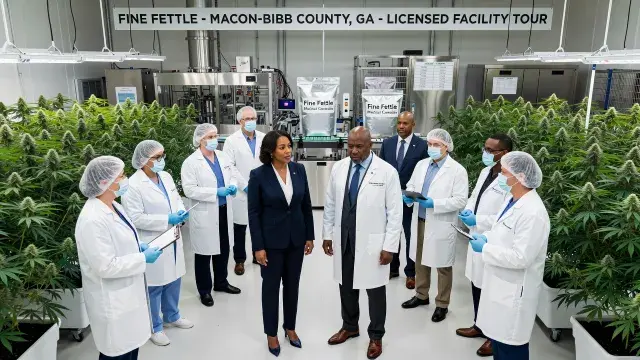
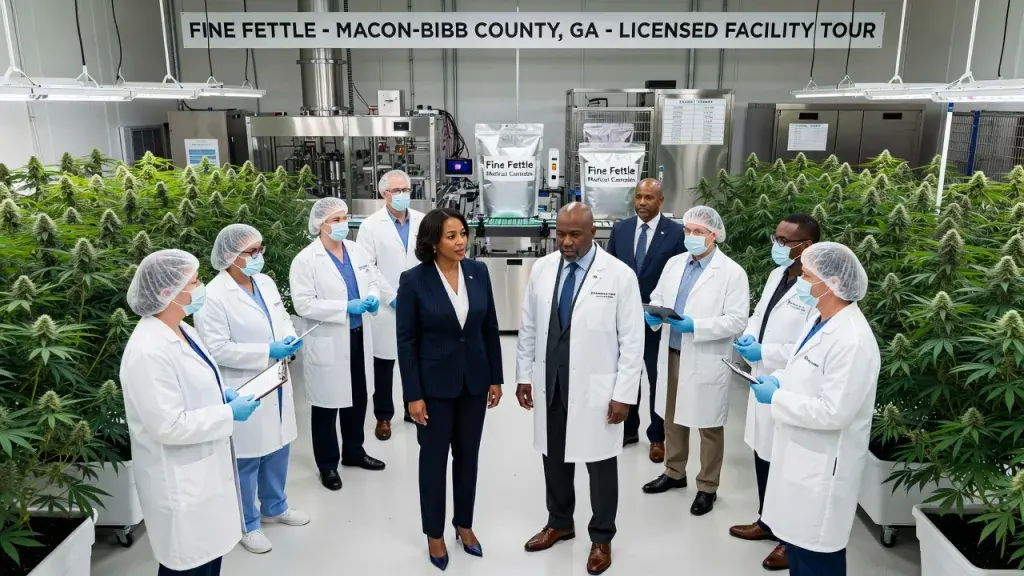
A licensed medical cannabis producer in Macon-Bibb County is trying a different tactic to move stalled legislation: show, don't tell. Fine Fettle, one of three licensed medical cannabis operators in Georgia, hosted lawmakers, physicians, and patients on a facility tour aimed at demystifying how cultivation, manufacturing, and distribution actually work under the state's tightly controlled medical program. The move comes as Georgia's medical cannabis expansion bills have repeatedly failed to clear the legislature, a decade after the state first legalized limited medical use.
That gap between legalization and functional access is the real story here. Georgia's program remains narrow compared to most states with medical cannabis laws, and vertical integration among just a handful of licensed operators means supply, product variety, and patient reach stay limited by design. Operators in more mature markets have leaned on retail technology to manage compliance logs, batch tracking, and dispensary inventory at scale - the kind of infrastructure that platforms like software for marijuana dispensaries arizona providers have built out for adult-use and medical markets alike. Georgia's limited operator pool means that kind of operational maturity is still developing here, which is part of why lawmakers touring a grow and manufacturing floor found the visit informative rather than routine.
Why the Legislation Keeps Stalling
Senate Bill 220 and House Bill 227 both aimed to expand patient access - easing the process for obtaining a medical cannabis card and updating allowable product forms so patients could get more effective formulations. Neither bill made it through the chambers this session. That's not unusual for cannabis policy in conservative-leaning legislatures, where incremental bills often get reintroduced year after year before gaining traction, if they ever do. For operators like Fine Fettle, the stakes are direct: a capped, slow-moving program limits SKU expansion, caps revenue growth, and keeps compliant product menus narrower than patient demand might justify.
The Patient-Access Argument
Dr. Elmore Alexander's comments point to a gap familiar to compliance-minded operators nationwide - current product formulations may serve a majority of patients, but a meaningful minority needs options the state hasn't yet authorized. That's a product-availability problem as much as a medical one, tied directly to how narrowly a state defines allowable forms, potency ranges, and delivery methods under its medical statute. Expanding those categories without loosening testing or labeling standards is the balance regulators in every medical cannabis state eventually have to strike.
What the Tour Signals for Operators
Facility tours aren't a lobbying tactic unique to Georgia, but they matter more in states where the program is still fragile. Showing legislators a controlled cultivation environment, consistent batch production, and lab-tested output pushes back on the outdated assumption that cannabis production is loosely regulated or inconsistent. For Representative Anissa Jones, the takeaway was straightforward: the process is controlled, repeatable, and nothing like the unregulated cultivation some lawmakers may still picture. Whether that translates into votes for future legislation remains an open question, but for operators watching their addressable market stay capped, education campaigns like this one are becoming a necessary part of doing business in a state still finding its footing on medical cannabis policy.