
A Cincinnati brewery owner's expansion into THC-infused seltzers has turned into a running legal battle with the state of Ohio, and the outcome will shape how hemp-derived beverages get sold across the state for years to come. Bobby Slattery, who built Fifty West Brewing Company into a regional craft beer name after opening in 2012, launched Sunflower THC seltzers in 2024 - only to watch Ohio Gov. Mike DeWine try to pull the product category off shelves entirely.
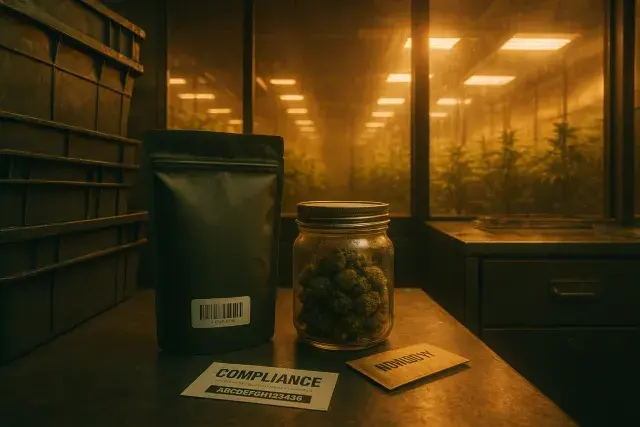
The dispute matters well beyond one brewery's tap room. Hemp-derived THC beverages occupy a regulatory gray zone in most states: they're often sold through grocery, convenience and liquor channels rather than licensed dispensaries, which means they escape the seed-to-sale tracking and point-of-sale compliance infrastructure that adult-use cannabis retailers rely on daily. That gap is exactly what regulators like DeWine have targeted, and it's a tension playing out state by state as hemp beverage sales scale up faster than lawmakers can write rules for them. Operators watching Ohio's fight would do well to study how other states have built compliance-first retail infrastructure - platforms such as the cannabis ecommerce platform missouri model show how licensed markets integrate inventory tracking, age verification and lab-result access directly into the point of sale, something Ohio's current hemp beverage framework largely lacks. cannabis ecommerce platform missouri
A Ban, a Veto, and a Courtroom Reprieve
The timeline reads like a compliance officer's nightmare. DeWine issued a 90-day ban on intoxicating hemp products on Oct. 8, covering gummies and beverages sold in gas stations, tap rooms and retail shops. Senate Bill 56, signed Dec. 19, initially carved out a grace period letting breweries, bars and retailers sell through 2026 - until DeWine vetoed that provision, setting a hard cutoff of March 20. For businesses that had already built out production lines, wholesale menus and distribution relationships around these products, that kind of whiplash isn't a paperwork inconvenience. It's inventory sitting in warehouses with nowhere legal to go.
U.S. District Judge Jeffrey Helmick granted a 14-day restraining order on Aug. 7, allowing 14 businesses - including Fifty West and fellow Cincinnati brewery Rhinegeist - to keep selling while their lawsuit against the state proceeds. A separate July 13 injunction extended similar relief to Cincinnati-based Urban Artifact. In practice, though, a restraining order isn't a resolution; it's a pause button. Nothing about the underlying legal question - whether Ohio can regulate hemp-derived THC beverages more restrictively than federal hemp law allows - has been settled.
What This Means for Retailers and Suppliers
For dispensary operators and hemp beverage manufacturers alike, Ohio's situation is a case study in regulatory risk that sits outside normal licensing channels. Unlike state-licensed cannabis retail, where operators absorb known costs - excise tax, 280E tax treatment, compliant packaging standards, COA requirements - hemp beverage sellers have been operating in a policy vacuum that can shift overnight by executive order or veto pen.
- Wholesale accounts built around hemp beverages face sudden delisting risk when state policy reverses.
- Retailers carrying these products need contingency plans for rapid inventory pulls, not unlike a recall protocol.
- Brands operating across state lines face inconsistent age-verification and testing standards from one jurisdiction to the next.
- Multi-state operators watching Ohio should expect similar fights in states without clear hemp beverage statutes.
What's striking here is how a single brewery's product line became a proxy fight over who gets to define intoxicating hemp in the first place. Until Ohio's legislature and courts settle that question with actual statutory clarity, retailers selling these drinks are operating on borrowed time, and consumers deserve to know that the products on the shelf today may not legally exist there tomorrow.