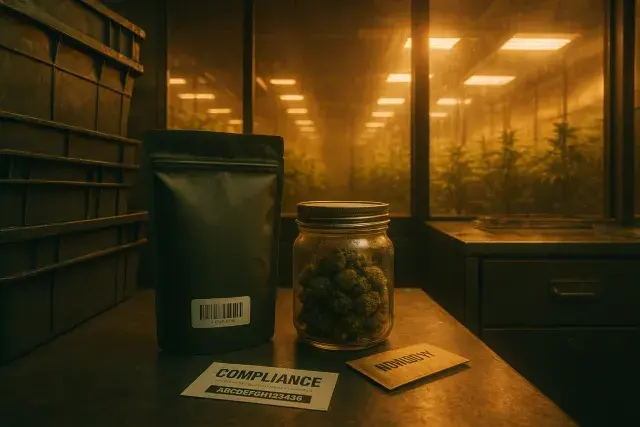

Michigan's cannabis oversupply problem has always been framed as a production issue - too many grow licenses, too much flower, prices collapsing under their own weight. New consumption data suggests the industry may be looking at the wrong side of the ledger. Baby Boomers, according to federal survey data and University of Michigan research, are consuming cannabis at rates the industry has largely underestimated, and they may represent an annual market approaching half a billion dollars across Michigan and Ohio combined.
That's a MITechNews estimate built by applying national generational spending patterns from Headset to actual state sales figures - not a number either state's cannabis regulator publishes directly. Michigan's Cannabis Regulatory Agency doesn't break down sales by customer age, so operators have had little visibility into how much of their revenue already comes from older buyers, let alone how much more they could capture. For multi-state operators and independent dispensaries alike, that's a data gap worth closing at the point-of-sale level; a retailer running modern cannabis pos new mexico operators rely on for similar demographic tracking could, in theory, apply the same customer-segmentation tools to Michigan and Ohio storefronts to figure out who's actually walking through the door.
A Market That Doesn't Behave Like the Rest of the Industry
Here's the catch: Boomers don't shop like the Millennial and Gen X customers dispensaries have spent years marketing to. University of Michigan polling on adults 50 and older found the top reasons for consumption were relaxation, sleep support, and pain management - not potency chasing. That has real implications for SKU management. A budroom stocked heavily with high-THC flower and concentrates may simply miss this customer. Lower-dose edibles, tinctures, topicals, and balanced THC-CBD ratios are a better fit for how this group says it wants to consume.
Retailers who treat older customers like everyone else are leaving money on the table. Someone returning to cannabis after three or four decades away isn't browsing a wholesale menu with any fluency. They need a budtender who can explain the difference between a vape cartridge and a tincture without assuming prior knowledge. That's a service model, not a price competition - and price is the one lever Michigan's market has already exhausted, with flower averaging under $60 an ounce in early 2026 and margins squeezed further by the state's 24 percent wholesale tax.
Compliance and Safety Considerations Don't Disappear With Age
Serving older consumers responsibly carries its own compliance weight. Today's products carry far higher THC concentrations than what many Boomers remember from decades ago, and University of Michigan polling found the overwhelming majority of older Michigan adults recognize that. Retailers and brands need to be careful that packaging, labeling, and in-store messaging don't drift into implied medical claims about sleep, pain, or mood - that's a labeling and advertising compliance risk regardless of which generation is buying.
- Age verification and ID checks remain identical across all adult-use customers regardless of demographic marketing.
- Product labeling must stick to COA-verified potency and cannabinoid content, not therapeutic promises.
- Staff training should address drug-interaction awareness, since older consumers are more likely to be on prescription medications.
- Point-of-sale and consultation practices should flag responsible-use messaging, including guidance around driving after consumption.
Notably, Michigan survey data found that roughly one-third of monthly cannabis consumers 50 and older had never discussed their use with a health care provider - a gap that dispensary staff can't fill, but shouldn't ignore either when fielding questions at the counter.
What This Means for Operators Chasing Margin
Michigan's industry has spent years debating supply-side fixes: consolidation, license caps, eventual interstate commerce if federal law shifts. Demand-side growth gets less attention, partly because it's harder to measure and slower to build. But an aging customer base that already reports higher consumption rates than the national average, combined with Ohio's still-developing recreational market, gives operators in both states a rare opening - build the service model and product mix for this segment now, before national brands and larger MSOs figure out the same math and start crowding the shelf space.